Flat roofing is slowly becoming a fan favorite for modern homes and commercial buildings. It combines practicality with its sleek design and, when installed correctly, lasts a long time. However, many property owners are unaware of what it actually is and how it is installed. Most people just want a simple explanation before making decisions. So, let’s break it all down for property owners. If you are planning a project, Monte Vista Construction offers professional flat roof services to ensure your roof is installed correctly and lasts for years.
Why Understanding Flat Roofing Matters
Many homeowners imagine a flat roof as completely level, like a tabletop, but that’s not accurate. Flat roofs have a slight slope (usually 1–10 degrees) to allow proper water drainage.
Improper installation or DIY attempts can lead to:
- Water damage
- Roof leaks
- Structural issues
Understanding flat roofing ensures you choose the right materials, slope, and installation techniques for a safe and long-lasting roof.
What is Flat Roofing?
A flat roof is a roof that appears level but is gently sloped to drain water effectively. Unlike shingles, flat roofs use materials that withstand extreme temperatures and standing water better, making them an excellent choice for new roof installation projects.
Key benefits:
- Usable rooftop space for gardens, terraces, or solar panels
- Sleek modern aesthetic
- Lower maintenance than sloped roofs
Here are the places where flat roofs are common:
| Commercial buildings | Home additions |
| Modern style homes | Garages and sheds |
Types of Flat Roofing Materials
Different materials are used for flat roofs depending on climate, budget, and application:
- EPDM (Ethylene Propylene Diene Monomer)
- Rubber roofing is durable and flexible
- Lifespan: 25–30 years
- Ideal for sunny areas
- TPO (Thermoplastic Olefin Roofing)
- White, reflective, and energy-efficient
- Lifespan: 15–30 years
- Popular for commercial buildings
- PVC Roofing
- Strong, chemical- and grease-resistant
- Lifespan: 10–15 years
- Best for kitchens, commercial kitchens, and industrial buildings
- Modified Bitumen
- Layered asphalt-based system
- Lifespan: 20–30 years
- Durable, good for small homes or additions
How Professionals Install a Flat Roof
Flat roof installation requires experience, precision, and specialized tools. Here’s the step-by-step process:
Step 1: Inspect and Prepare the Structure
- Check if the building can support the new roof
- Repair any water damage, rot, or uneven surfaces
Step 2: Create the Proper Slope
- Flat roofs require a slight slope (1–10 degrees) to prevent water pooling
- Install tapered insulation or use a roofing substrate to direct water toward drains
Step 3: Install the Base Layer
- Lay a vapor barrier for moisture protection
- Add insulation layers to improve energy efficiency
Step 4: Lay the Roofing Material
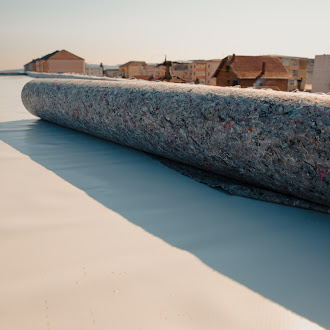
- EPDM: Rolled out like a large rubber sheet, seams sealed
- TPO/PVC: Heat-welded at seams for waterproofing
- Modified Bitumen: Applied using heat or cold adhesives, layered for durability
Step 5: Add Flashing and Edges
- Protect corners, chimneys, vents, and walls
- Prevent water from seeping under the roof membrane
Step 6: Conduct the Final Inspection
- Check for bubbles, soft spots, or loose seams
- Test water drainage and ensure proper slope
Flat Roof Maintenance Tips
- Inspect the roof twice a year
- Remove standing water after heavy rain
- Keep drains and gutters clear
- Repair small damages promptly
- Avoid walking on the roof unless designed for foot traffic
Conclusion
Flat roofing offers modern aesthetics, durability, and extra usable space. Choosing the right materials and professional installation ensures a long-lasting, energy-efficient roof. Monte Vista Construction delivers expert flat roofing solutions to protect your home or business while maximizing the benefits of this versatile roofing option.
FAQs
Q1: What are the three main types of flat roofs?
A: Built-up roof, modified bitumen, and single-ply membranes (EPDM/TPO/PVC).
Q2: What is the minimum slope for a flat roof?
A: Generally 1/4 inch per foot (approximately 2% slope).
Q3: Which type of flat roof is best?
A: EPDM and TPO single-ply membranes are considered top-tier, depending on budget and climate.
Q4: How many layers are in a flat roof?
A: A flat roof typically has 3–6 layers: structural deck, insulation, base layers, and waterproof membrane.
Q5: Can I walk on a flat roof?
A: Only if it was designed for foot traffic, such as a roof deck or terrace. Otherwise, avoid walking to prevent damage.