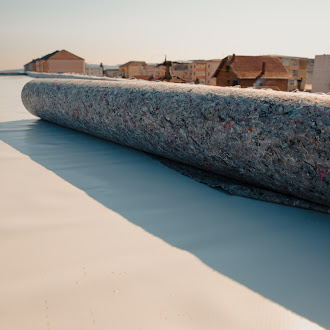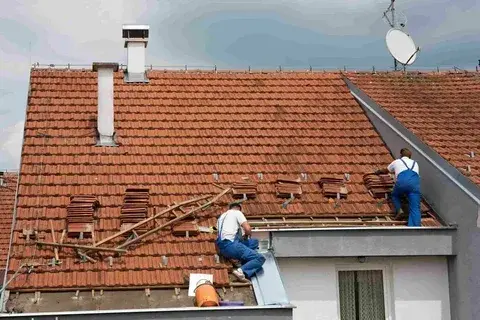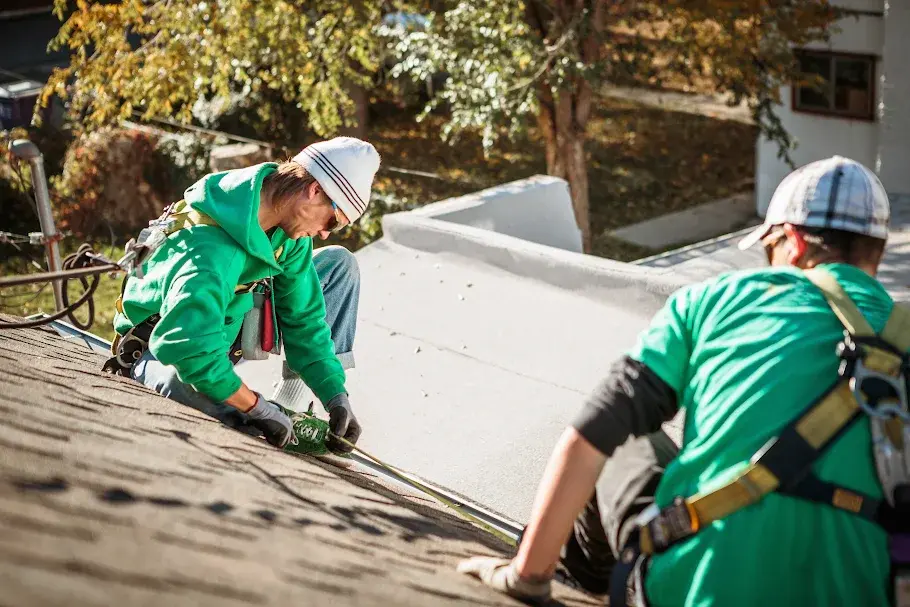
Flat roofs are widely used in modern residential and commercial buildings because they are cost-effective, easy to install, and provide usable space for HVAC units, solar panels, and drainage systems. However, one of the most common questions property owners ask is: ” How long does a flat roof last?
The answer depends on several factors, including the roofing material, flat roof installation quality, exposure to weather, and maintenance routine. In this 2026 guide by Monte Vista Construction, we break down the average lifespan of flat roofing systems, compare materials, and share expert maintenance tips to help you extend your roof’s life and avoid costly repairs.
Flat Roof Lifespan: How Long Does It Really Last?
The lifespan of a flat roof typically ranges between 10 and 30 years, depending on the material used and maintenance quality.
Below is a detailed breakdown of the most common flat roofing systems:
| Roofing Material | Estimated Lifespan | Key Advantage |
|---|---|---|
| Built-Up Roofing (BUR) | 15–30 years | High durability & fire resistance |
| Modified Bitumen | 10–20 years | Flexible and easy to repair |
| EPDM Rubber | 20–30 years | UV resistant & highly durable |
| TPO Roofing | 15–25 years | Energy efficient & reflective |
| PVC Roofing | 20–30 years | Strong chemical & water resistance |
| Spray Polyurethane Foam (SPF) | 20–30 years | Seamless insulation & waterproofing |
As shown above, EPDM, PVC, and SPF systems generally last the longest when properly maintained.
Flat Roofing Materials Explained
Built-Up Roofing (BUR)
Built-Up Roofing is one of the oldest and most durable flat roofing systems. It consists of multiple layers of asphalt, tar, and gravel, creating a strong protective barrier.
Why does it last?
- Multi-layer protection against leaks
- High resistance to fire and weather damage
- Ideal for commercial buildings
Common issue:
- Heavyweight and potential drainage problems if poorly installed
Modified Bitumen Roofing
Modified bitumen is an asphalt-based system reinforced with fiberglass or polyester.
Why does it last?
- Flexible under temperature changes
- Easy to repair and maintain
- Strong waterproofing properties
Common issue:
- Surface wear from UV exposure over time
EPDM Rubber Roofing
EPDM is a synthetic rubber membrane widely used in both residential and commercial buildings.
Why does it last?
- Excellent UV and weather resistance
- Performs well in extreme temperatures
- Long service life with proper installation
Common issue:
- Punctures if not protected properly
TPO Roofing
TPO is a modern, energy-efficient roofing system designed for heat reflection and durability.
Why does it last?
- Reflects UV rays and reduces energy costs
- Resistant to chemical exposure
- Lightweight and flexible
Common issue:
- Quality varies based on the manufacturer
PVC Roofing
PVC roofing is known for its strength, durability, and resistance to chemicals and moisture.
Why does it last?
- Highly resistant to water and fire
- Strong seam welding technology
- Low maintenance requirements
Common issue:
- Higher installation cost
Spray Polyurethane Foam (SPF) Roofing
SPF roofing is a seamless, spray-applied system that provides insulation and waterproofing.
Why does it last?
- No seams or joints (reduces leaks)
- Excellent energy efficiency
- Can be recoated to extend lifespan
Common issue:
- Requires periodic UV protective coating
How to Make a Flat Roof Last Longer
Even the best roofing material will fail early without proper maintenance. Understanding the fundamentals of roofing systems is important, so you can also read our guide on what flat roofing is and how to install it. Here are the most effective ways to extend the life of a roof:
1. Regular Roof Inspections
Inspect your roof at least twice a year and after major storms.
Look for:
- Cracks or blisters
- Pooling water
- Loose seams
- Surface wear
Early detection prevents expensive structural damage.
2. Keep the Roof Clean
Remove:
- Leaves
- Dirt
- Branches
- Debris buildup
Blocked drainage is one of the leading causes of flat roof failure.
3. Maintain Proper Drainage
Flat roofs rely heavily on drainage systems. Poor drainage leads to:
- Ponding water
- Leaks
- Structural stress
- Reduced lifespan
Keep gutters and drains clean and fully functional.
4. Repair Damage Immediately
Even small issues like cracks or blisters can escalate quickly.
Delaying repairs can cause:
- Water infiltration
- Insulation damage
- Mold growth
- Costly replacements
5. Professional Roof Maintenance
Schedule professional inspections every few years.
Experts can:
- Detect hidden leaks
- Apply protective coatings
- Improve drainage efficiency
- Extend the roof’s lifespan significantly
Common Signs Your Flat Roof Needs Repair
- Persistent leaks inside the building
- Pooling water after rain
- Visible cracks or bubbles
- Rising energy bills
- Aging roof beyond expected lifespan
If you notice these signs, a professional inspection is recommended immediately.
Conclusion
Flat roofs are durable, cost-effective, and modern, but their lifespan depends heavily on material choice, installation quality, and ongoing maintenance. With proper care, a flat roof can last decades without major issues, saving homeowners significant repair and replacement costs.
If your roof is aging or showing early signs of damage, scheduling a professional inspection can help extend its life and prevent expensive repairs in the future.
FAQs
How long does a flat roof last on average?
A flat roof typically lasts between 10 and 30 years, depending on the material and maintenance.
Which flat roofing material lasts the longest?
EPDM, PVC, and SPF roofing systems can last up to 30 years or more with proper care.
What is the biggest problem with flat roofs?
The most common issue is water pooling due to poor drainage, which leads to leaks and structural damage.
How often should a flat roof be inspected?
At least twice per year, and after heavy storms or extreme weather.
Can a flat roof last 30 years?
Yes, materials like EPDM, PVC, and SPF can last 20–30+ years with proper installation and maintenance.